
Oregon Car Accident Attorney
Larry Tran Law evaluates injury inquiries involving car accidents in Oregon. A collision can raise questions about medical expenses, missed work, insurance coverage, and who may be responsible. We review the circumstances to determine whether the firm can assist.
We consider inquiries from Oregon residents and people who live elsewhere but were injured in Oregon.
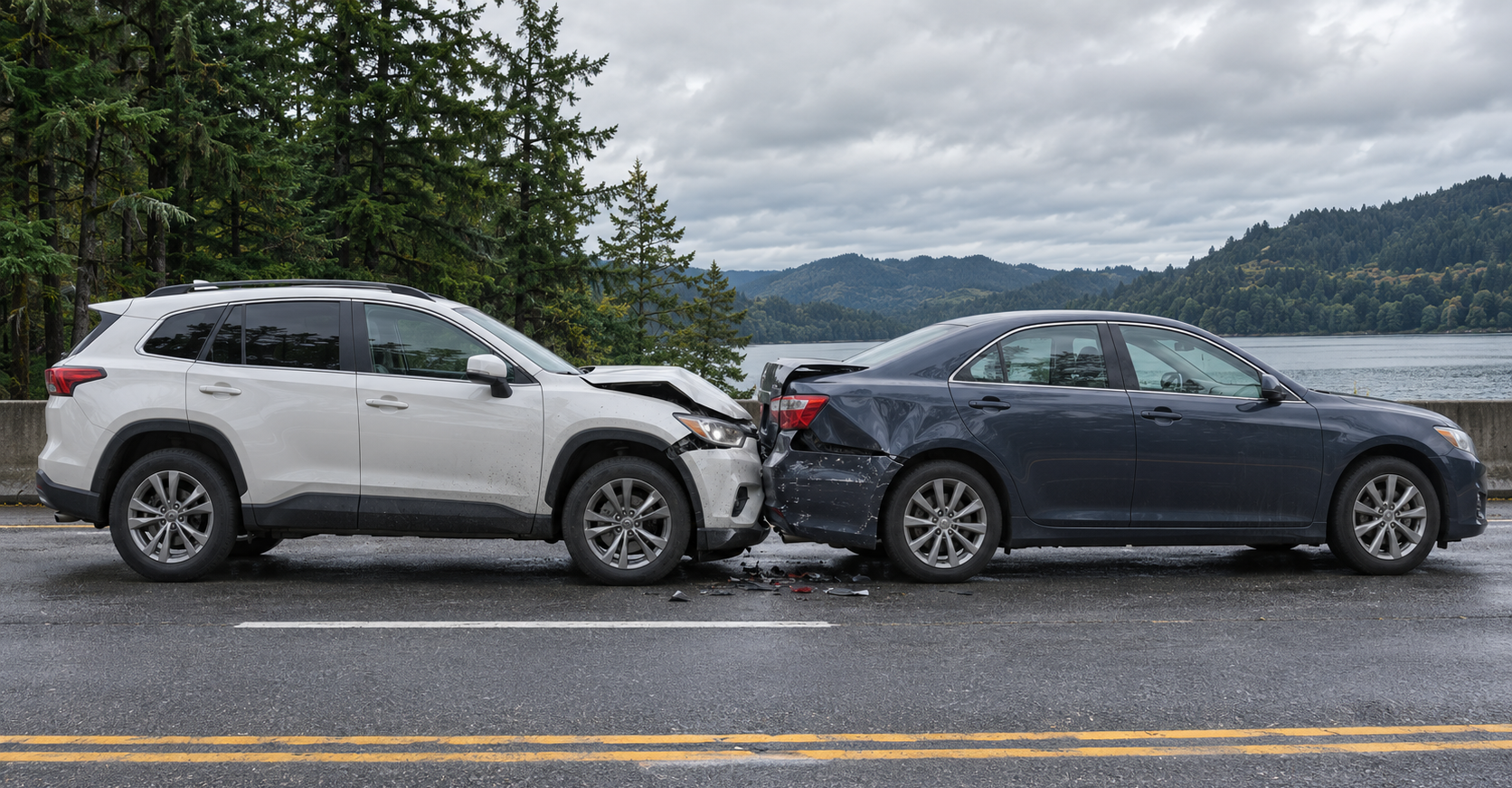
AI-generated illustrative image. Not an actual accident or client matter.
Car Accident Injury Claims We Evaluate
We evaluate inquiries involving injured drivers and passengers in rear-end, intersection, highway, and multivehicle collisions. These matters may involve distracted driving, speeding, impairment, a hit-and-run driver, or a dispute about how the collision happened.
A collision involving a rideshare, delivery, or work vehicle may raise additional questions about insurance and responsibility. For crashes involving semi-trucks and other commercial vehicles, visit our Oregon Truck Accident Attorney page.
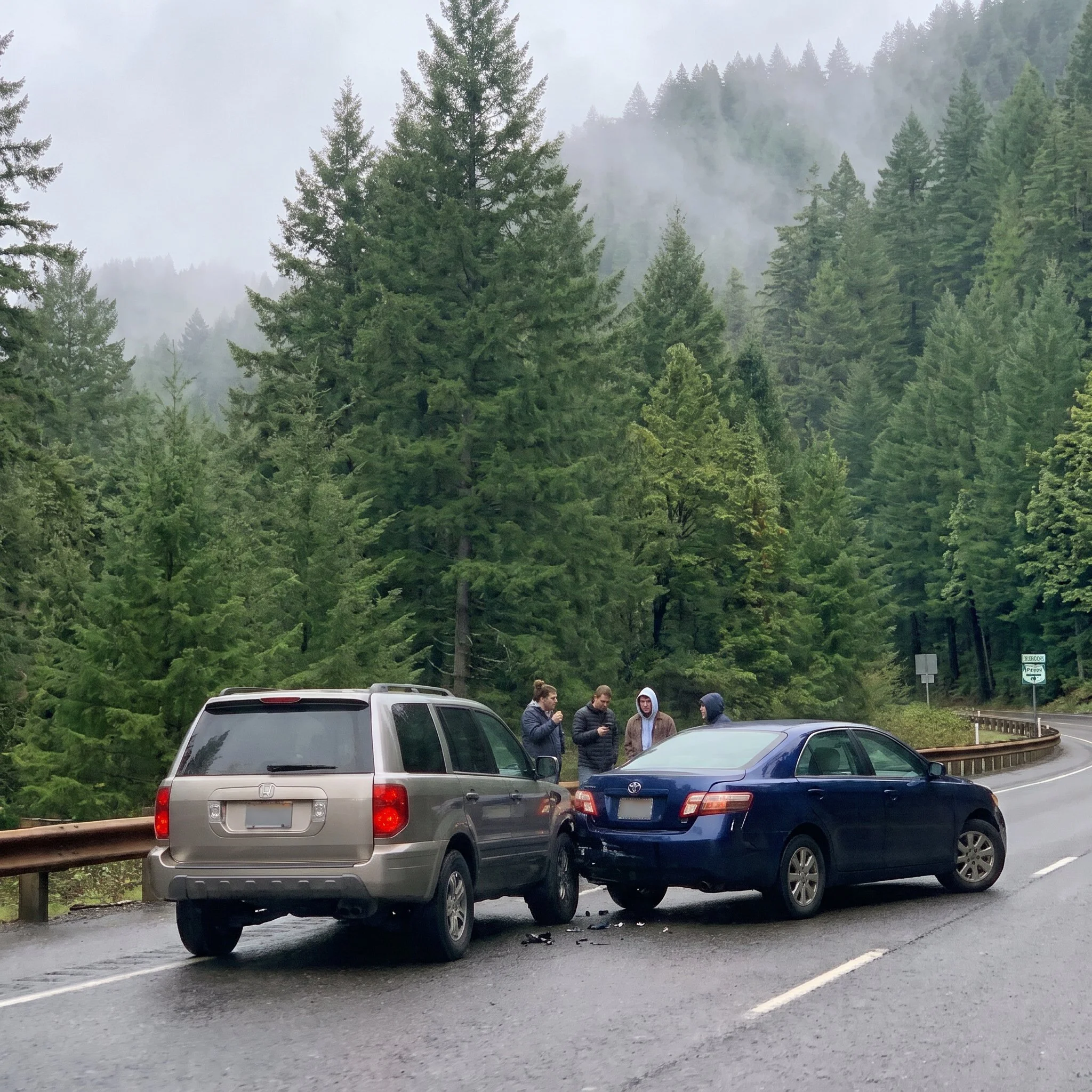
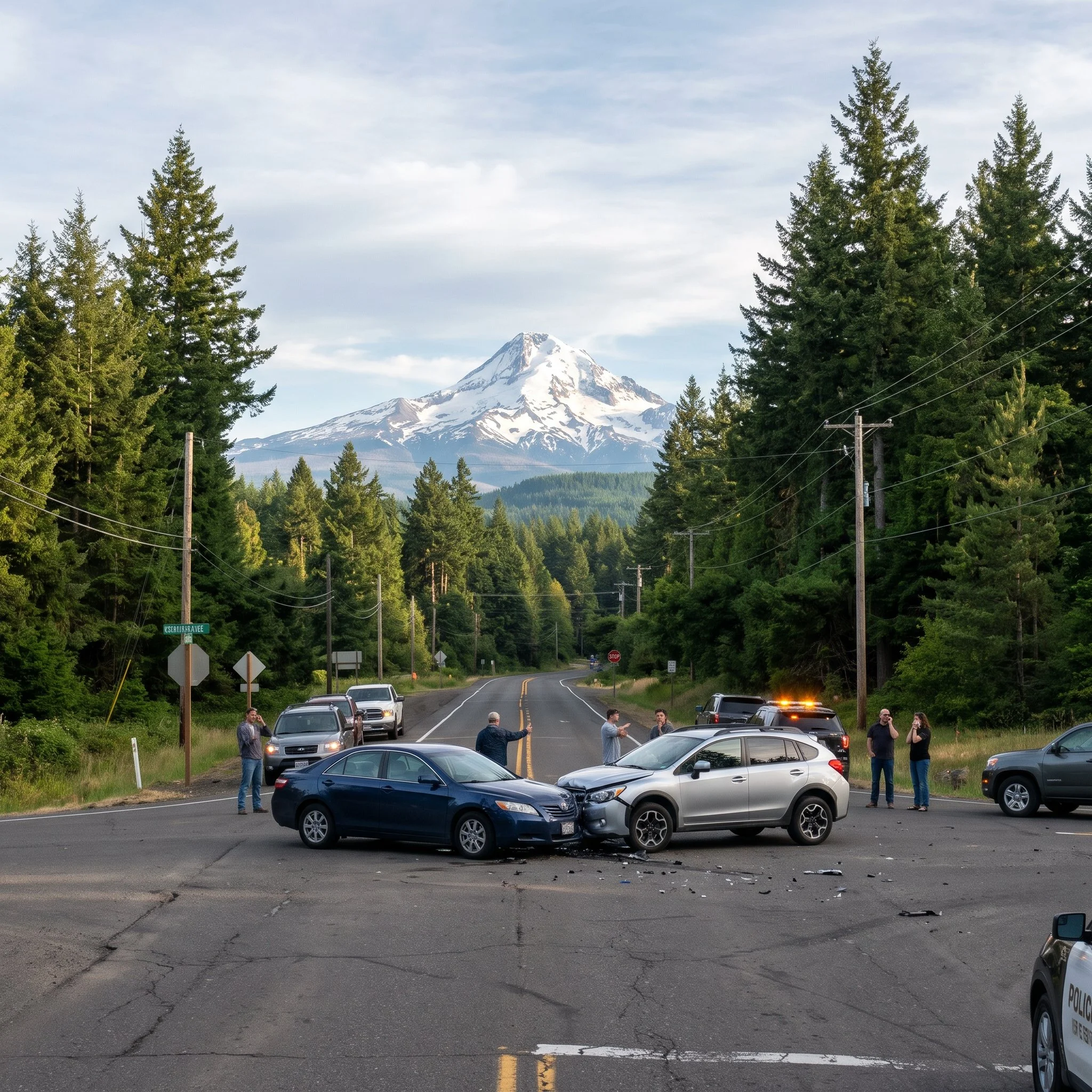
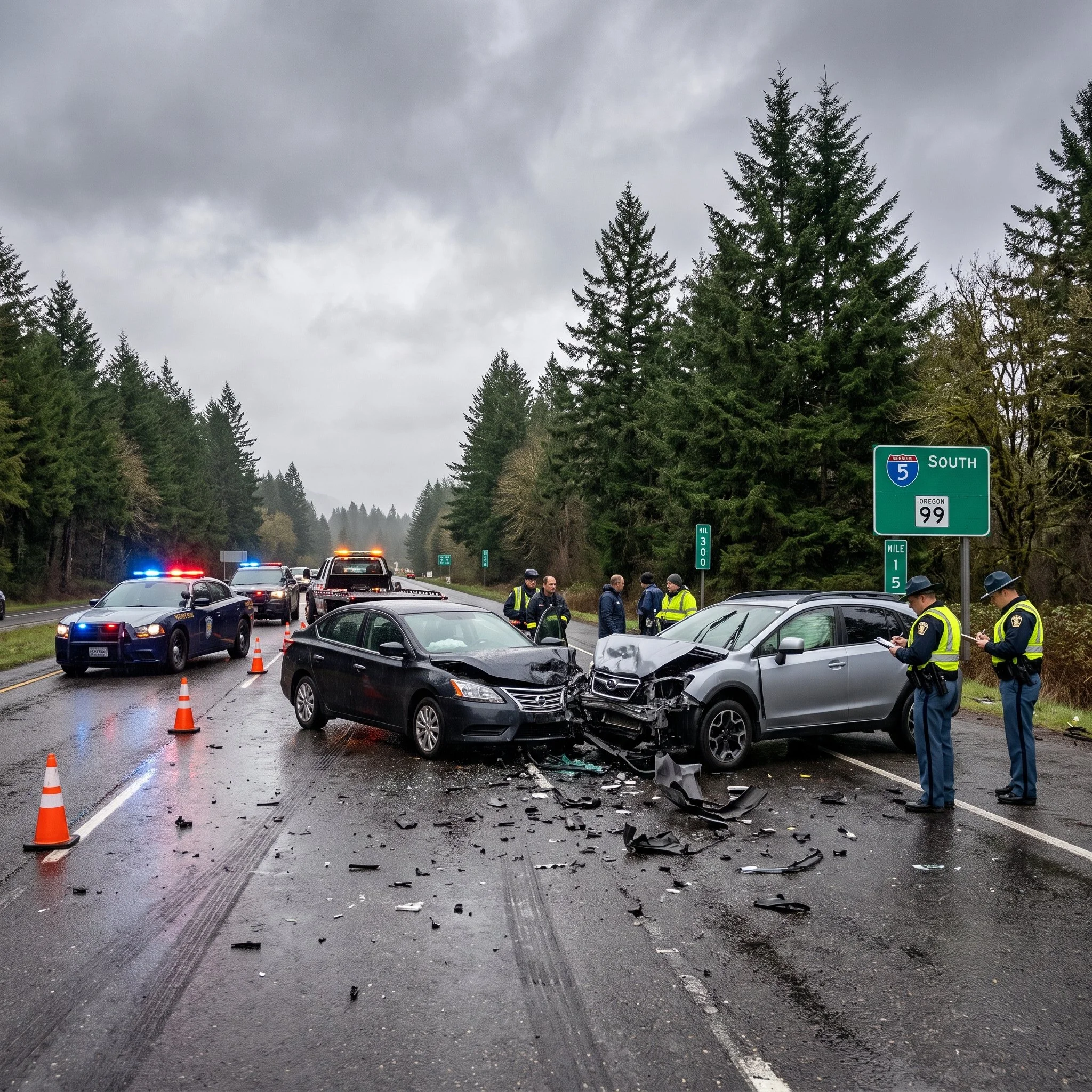
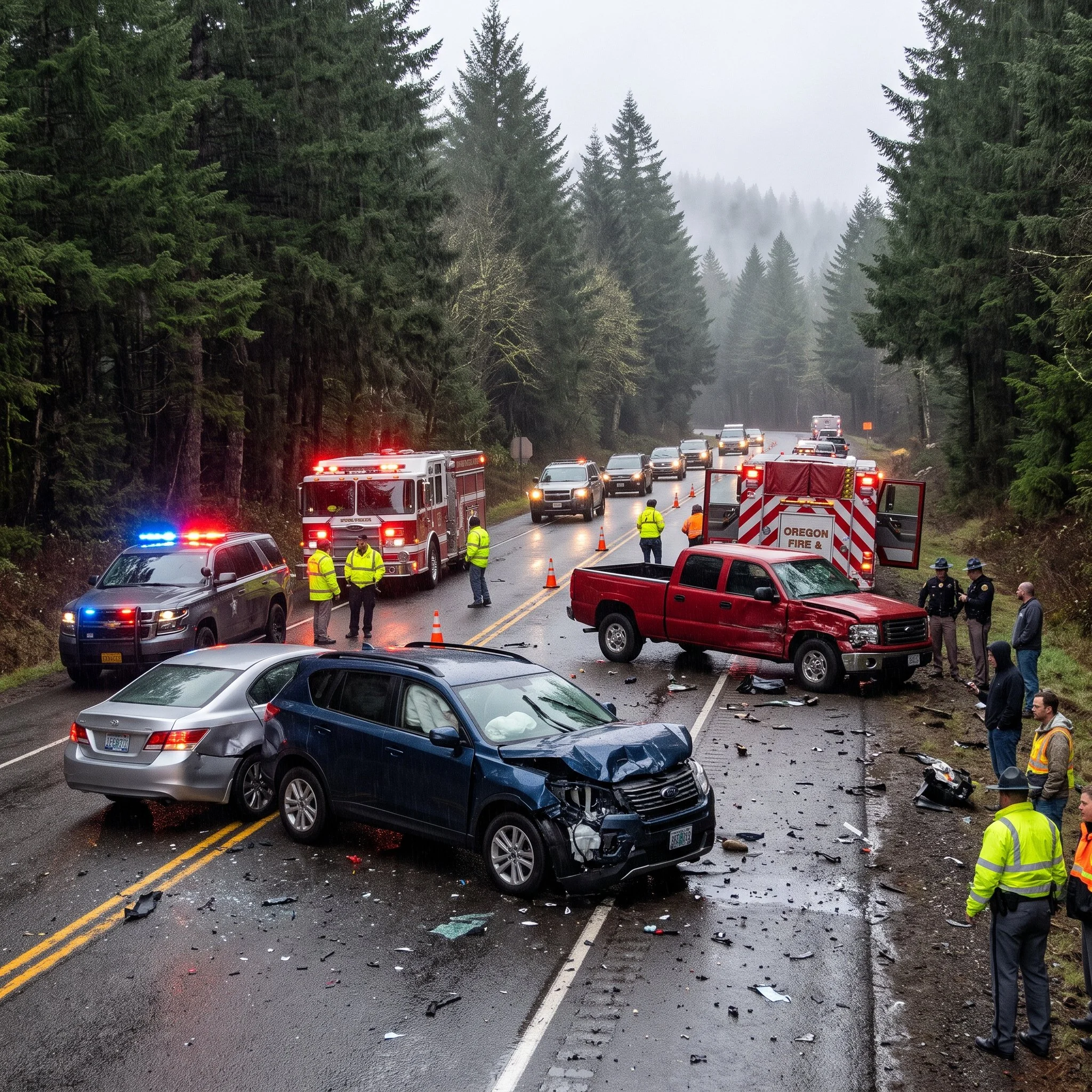
Images are AI-generated illustrations and do not depict actual accidents or client matters.
For information about other types of injury claims, visit our Oregon Personal Injury page.
How a Car Accident Claim Is Evaluated
A claim review considers how the collision occurred, the injuries involved, the available insurance, and the losses supported by the records. Relevant information may include the collision report, witness accounts, photographs, available video, medical records, and insurance correspondence.
The connection between the collision and the claimed injuries matters. Treatment records, prior medical history, work restrictions, and information about ongoing limitations can help explain that connection and the effects of an injury. Vehicle damage is one part of the evidence; it does not replace a review of the medical information.
If the firm accepts representation, the work will depend on the facts and agreed scope of the engagement. It may include obtaining records, evaluating coverage, communicating with insurers, assessing a proposed resolution, and considering whether litigation is appropriate.
Important: Do not delay taking steps to protect any applicable statute of limitations, notice requirement, or other legal deadline while awaiting a response from our office.
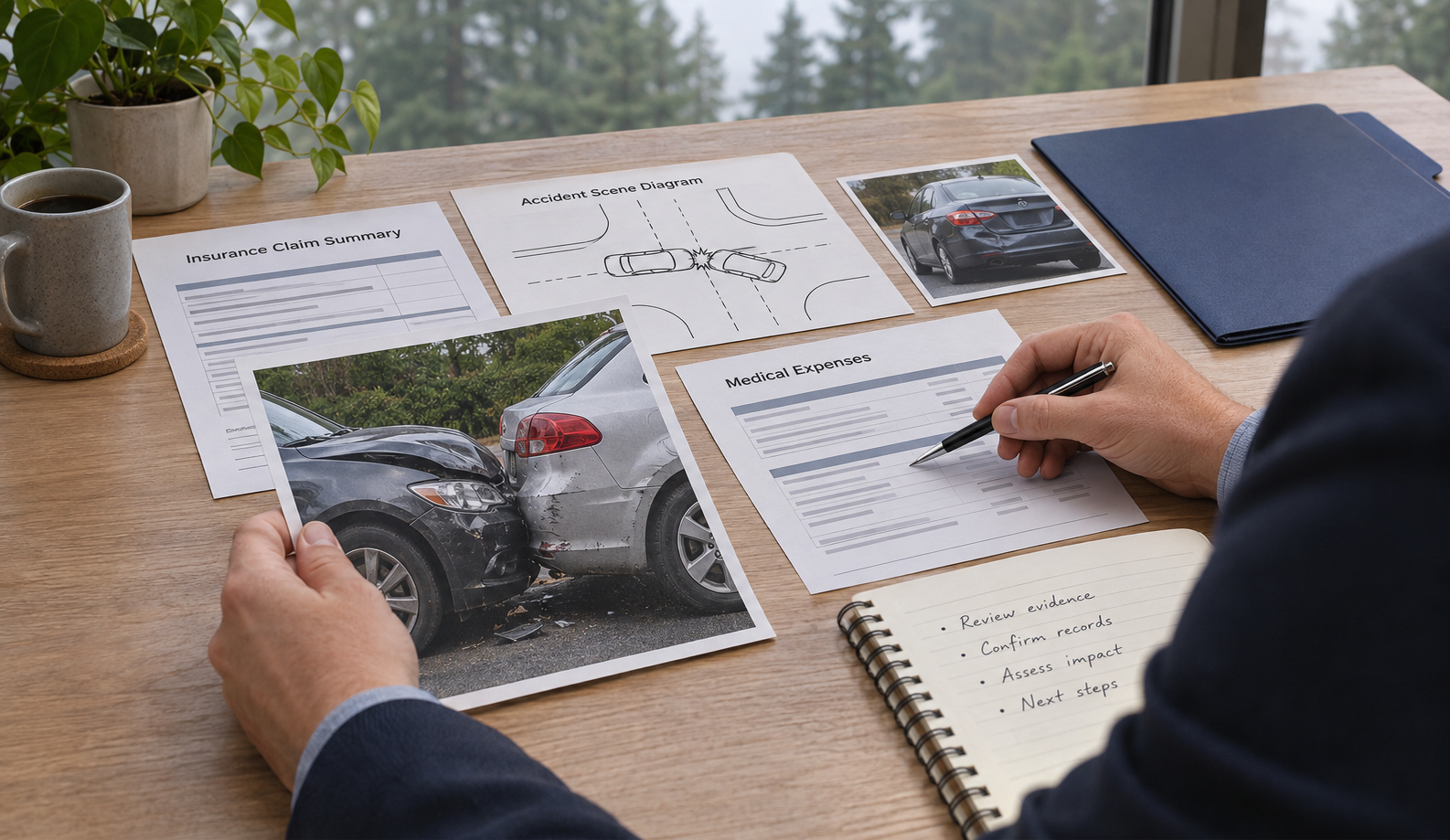
AI-generated illustrative image. Not an actual accident or client matter.
Insurance Coverage After an Oregon Car Accident
More than one type of coverage may be relevant after a collision. A claim against another driver's liability insurance and a request for benefits under an applicable policy can involve different requirements.
Personal Injury Protection
Personal injury protection, or PIP, may help pay eligible expenses regardless of who caused the collision. Oregon's required PIP medical benefit generally covers up to $15,000 in reasonable and necessary expenses incurred within two years after the injury; a policy may provide higher benefits. Separate benefits for lost income or essential services may also be available. Eligibility, exclusions, and policy terms matter. 1 2
The PIP medical-expense period is not the deadline for every claim arising from the accident.
For more on paying treatment bills and coordinating benefits, read Who Pays Medical Bills After an Oregon Car Accident?
Uninsured and Underinsured Motorist Coverage
If the responsible driver has no applicable insurance, or the available liability recovery is insufficient to cover legally recoverable injury damages, uninsured or underinsured motorist coverage may provide another source of recovery. These claims have their own coverage terms, limits, and procedures. Reviewing the applicable policies helps identify which benefits may be available. 1 3
Documenting the Effects of an Injury
A supported injury claim may include reasonable medical expenses, lost income, reduced earning capacity, and other financial losses. Depending on the circumstances, recoverable harm may also include pain, emotional distress, and interference with normal activities. Available compensation depends on responsibility for the collision, the evidence, and applicable law. 4
Medical bills, employment records, treatment recommendations, and information about changes in daily activities can help explain the claim. Keep these materials as they become available. You do not need to finish treatment or assemble every record before asking whether the firm can review your inquiry.
Deadlines for Oregon Car Accident Claims
Many Oregon negligence claims for car accident injuries have a two-year filing period, but that is not the deadline for every claim or every required step. The type of claim and the circumstances can change the analysis. 5
For many nonfatal injury claims against an Oregon public body, tort claim notice is generally required within 180 days, subject to statutory exceptions. Wrongful death claims and insurance claims can involve different rules. Have the applicable deadlines evaluated promptly rather than assuming that one general deadline covers the entire matter. 6
Preserving Information After a Collision
Keep the original photographs and video files you already have, along with witness contact information, the collision report number, insurance letters, and repair or towing records. Preserve complete recordings when available, including the time before and after the collision.
If you noticed a nearby camera or a vehicle that may have recorded the incident, note its location or identifying information. Available recordings can be overwritten, so an early review may help identify whether preservation steps should be considered. Keep a record of medical providers, missed work, and accident-related expenses as well.
Common Questions
Can I have a claim if I was partly at fault?
Possibly. Oregon generally permits recovery when your fault is not greater than the combined fault of the others included in the statutory comparison. Any damages awarded are reduced by your percentage of fault. An insurer's position about fault should be assessed against the evidence. 4
What if I was a passenger?
We evaluate inquiries from injured passengers as well as drivers. The review considers which drivers or other parties may bear responsibility and which insurance policies may apply. Being a passenger does not by itself establish that a particular person or insurer must pay.
Can I contact the firm if I live outside Oregon?
Yes. We consider inquiries from people who live elsewhere but were injured in Oregon. Tell us where and when the collision occurred and provide a brief description of what happened.
What should I include in an initial inquiry?
Provide your contact information, the approximate date and location of the collision, the names of the involved parties if known, and a short, nonconfidential description. Let us know whether there is a known deadline or an existing lawsuit. The firm can explain which additional materials to provide after initial screening.
How are fees and costs handled?
If representation is offered, the proposed fees, responsibility for costs, and scope of work will be explained in the engagement agreement. The terms depend on the matter and the arrangement offered.
Discuss Your Oregon Car Accident with Larry Tran Law
To ask whether Larry Tran Law can assist, call 971-480-2100 or send a brief inquiry. Learn more about Larry Tran and the team, or visit our Personal Injury page for other injury matters.
Please provide only contact information and a brief, nonconfidential description initially. Sending an inquiry does not, by itself, create an attorney-client relationship. The firm must complete its screening and agree to the representation. Do not delay protecting an applicable filing or notice deadline while awaiting a response.
Larry Tran Law LLC | 971-480-2100 | Serving clients throughout Oregon.
This page provides general information and is not legal advice for a particular matter.