
Have Your Trees Been Cut or Damaged?
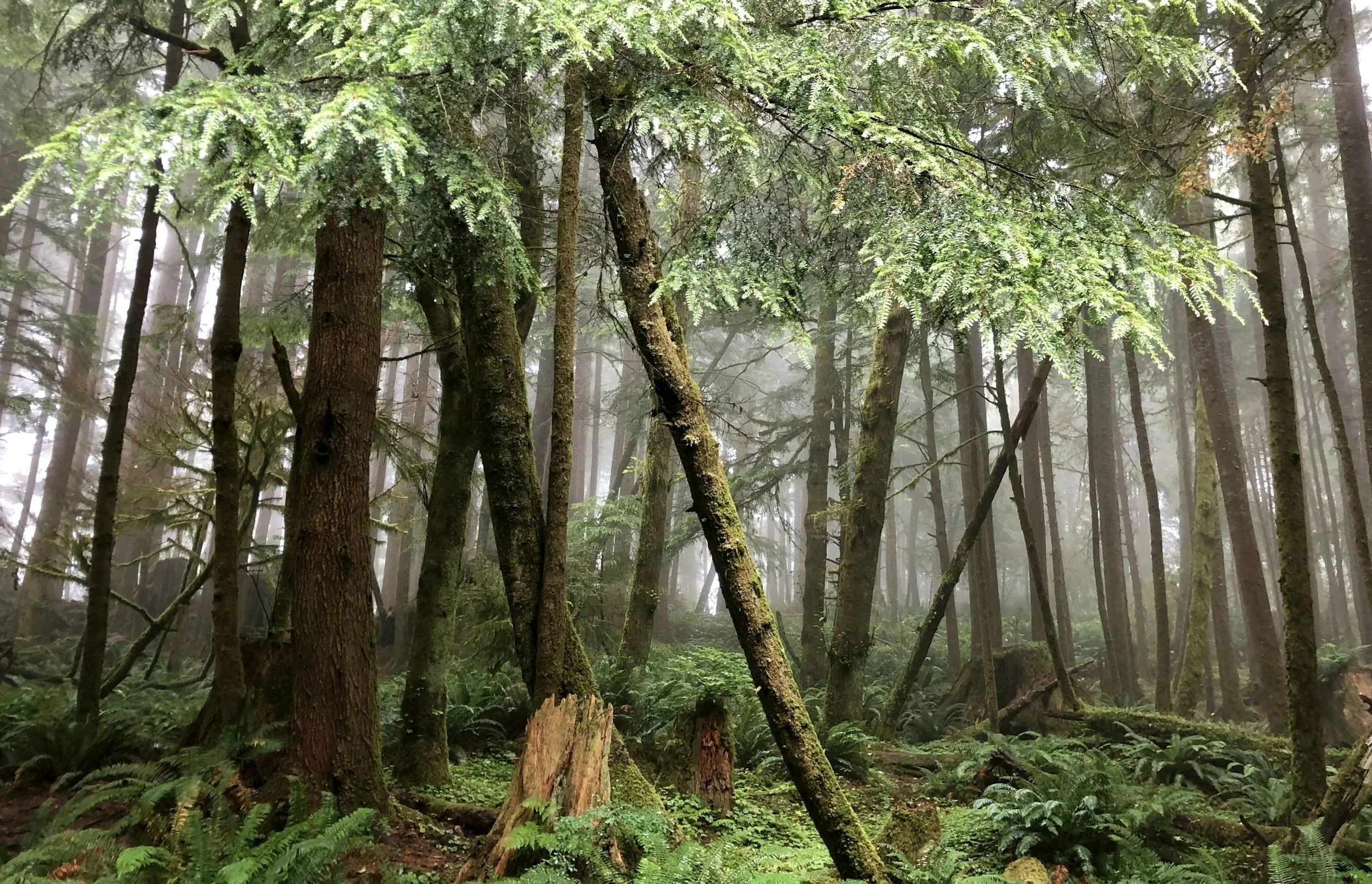
Protecting Your Trees, Your Property, and Your Rights.
Mature trees provide privacy, shade, beauty, and a sense of home. Unauthorized cutting or damage can change your property in an afternoon.
Larry Tran Law represents Oregon property owners in timber trespass and related tree-damage disputes. We help establish what happened, identify responsible parties, assess the loss, and pursue the remedies available under Oregon law.
Oregon Timber Trespass Attorney

Tree Damage Claims We Evaluate
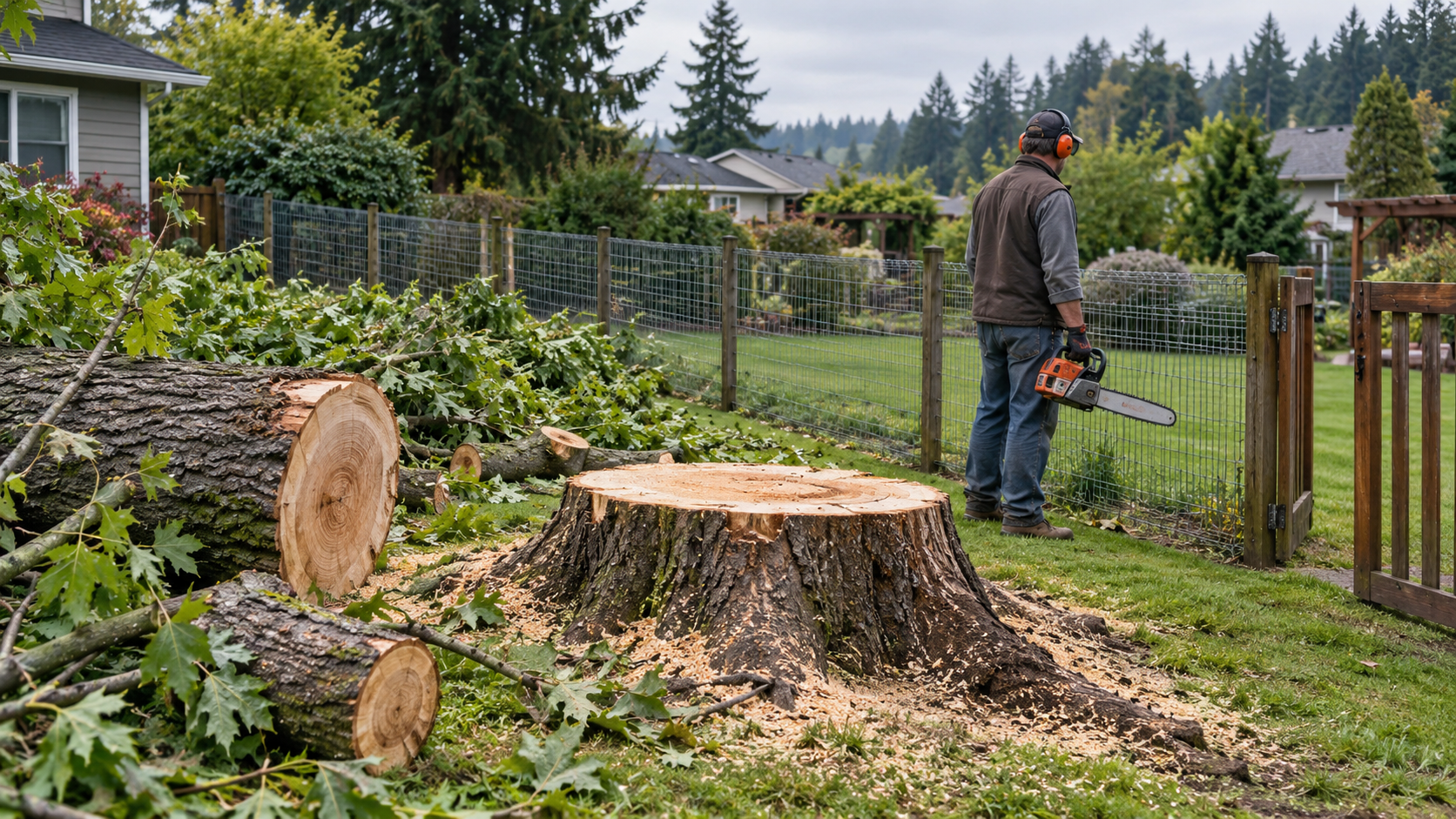
Unauthorized Tree Cutting & Removal
Trees cut down or removed without permission, including work performed by neighbors, tree services, contractors, or others acting beyond the authority they were given.
Damaging Pruning, Topping & Trunk Injuries
Excessive cutting, destructive topping, stripped bark, girdling, and other damage affecting a tree’s health, structure, appearance, or remaining life.
Root Damage & Construction Activity
Tree injuries associated with excavation, trenching, grading, severed roots, soil compaction, and construction activity near established trees.
Property-Line & Neighbor Disputes
Disputes involving trees near fences or boundaries, conflicting surveys, alleged permission to cut, and disagreements over the scope of authorized work.
Timber Theft & Unauthorized Logging
Timber removed from another person’s land, harvesting beyond an authorized boundary, and land clearing that extends onto neighboring property.
Damage to Landscaping, Hedges & Shrubs
Claims involving damaged ornamental trees, fruit trees, privacy hedges, shrubs, and established landscaping.
Chemical Damage & Related Property Claims
Tree and vegetation damage allegedly caused by herbicides or other chemicals, along with associated damage to the surrounding property. The available claims depend on how the damage occurred.
How We Build Your Case
Establish ownership and authority.
We review the relevant property records, surveys, agreements, communications, and scope of any permission or easement.
Preserve evidence of the damage.
Photographs, video, stumps, remaining trees, witness accounts, and contractor records can help establish what was damaged, who performed the work, and what they were told.
Assess the loss with appropriate expertise.
Depending on the case, an arborist, surveyor, real-estate appraiser, forestry expert, or restoration professional may help evaluate the damage and support the claim.
Pursue a practical resolution.
We assess negotiation, litigation, and appropriate court relief. If cutting is continuing or threatened, we evaluate whether prompt action is warranted.
What Compensation May Be Available?
Oregon law provides for triple damages in qualifying cases and double damages in certain other circumstances, subject to statutory exceptions. Courts may also award attorney fees, litigation expenses, and qualifying reforestation costs under the applicable rules. Oregon’s timber-trespass statutes, ORS 105.810 and 105.815.
The correct method of valuing the loss matters. For noncommercial ornamental trees, Oregon courts generally begin with the reduction in the property’s market value. Other evidence of loss may be available when that effect cannot be determined. Harshbarger v. Klamath County.
We evaluate the relationship between the tree damage, its effect on your property, and the evidence needed to support the appropriate measure of compensation.
What to Do After Your Trees Are Damaged
Photograph the scene. Capture the affected trees, stumps, cut branches, surrounding landscape, and nearby fences or boundary markers.
Save earlier photographs. Images showing the trees before the damage can be valuable.
Keep communications and records. Preserve messages, estimates, invoices, permits, surveys, and information identifying the people or companies involved.
Document necessary cleanup. When safe, photograph conditions before cleanup or stump grinding. Address immediate hazards and retain records of emergency work.
Seek an assessment promptly. Evidence can disappear, and the full impact of damage may require professional evaluation.
Frequently Asked Questions

What if the person says the cutting was a mistake?
A claimed mistake does not necessarily eliminate liability. It can affect the available remedy. We examine the boundary evidence, permission given, and circumstances surrounding the work.
Does the tree have to die for there to be a claim?
No. Oregon’s statute includes injury to trees as well as removal. Whether particular pruning, root damage, or other work supports a claim depends on the facts, lawful authority, and resulting loss.
Do I need a survey or arborist report before contacting you?
You can request a consultation before obtaining either. Existing surveys, photographs, and reports are helpful, and we can discuss what additional evidence may be appropriate.
How long do I have to bring a claim?
Many Oregon claims involving trespass or injury to real property have a six-year limitation period, but exceptions and different deadlines may apply. ORS 12.080.
Claims involving public bodies can also require notice much sooner. Prompt review helps identify the applicable deadlines and preserve evidence. ORS 30.275.

Have Your Trees Been Cut or Damaged?
Contact Larry Tran Law to request a consultation. Start with the property’s location, when the damage occurred, and the basic circumstances. Let us know if additional work is underway or threatened.
Request a Consultation
971-480-2100
info@larrytranlaw.com
Sending an inquiry does not, by itself, create an attorney-client relationship. Please do not send confidential information until we have completed a conflict check and confirmed that we can discuss your matter.
Contact Us
Share your contact information and a brief description of your matter. Let us know what happened, approximately when it happened, and what help you are seeking.
Please keep your initial message brief. Do not include Social Security numbers, payment card numbers, medical records, or other sensitive documents.
Sending an inquiry does not, by itself, create an attorney-client relationship. Please do not send confidential information until we have completed a conflict check and confirmed that we can discuss your matter.